
Power Cleaning: 3 Keys to Choosing an Industrial Degreasing Surfactant
In high-stakes industrial maintenance, the phrase “time is money” couldn’t be more accurate. Finding a high-performance industrial degreasing surfactant that replaces traditional NP-10 while maintaining superior “bite” on stubborn grease is critical for both efficiency and compliance.
Quick Selection: AEO-9: The Modern NP-10 Alternative | Request Degreasing Performance Data
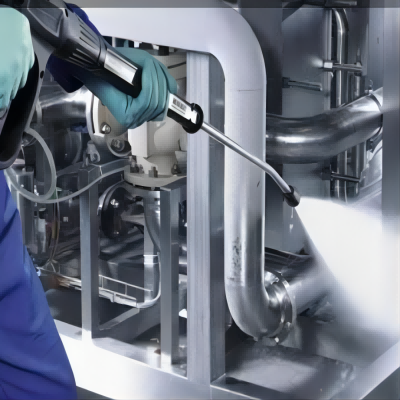
1. Emulsification: The Secret to Lifting Heavy Grease
The most critical role of an industrial degreasing surfactant is emulsification. This is the chemical process of breaking down oil into tiny droplets and suspending them in water so they can be rinsed away.
For years, the industry relied on NP-10 (Nonylphenol Ethoxylate) as the “universal hammer” for every greasy nail. It remains a beast at emulsifying heavy crude and engine oils. However, as global environmental regulations tighten, many of our clients are switching to the KEMAIX AEO-9 (Alcohol Ethoxylate) series.
AEO-9 is the modern champion of degreasing. It offers nearly identical cleaning power to NP-10 but is readily biodegradable. It’s particularly effective in warm water (40-50°C), making it the go-to choice for kitchen degreasers and metal pretreatment lines.
2. Wetting Power: Breaking the Surface Tension
You can have the strongest emulsifier in the world, but if it can’t reach the surface of the metal under the grease, it’s useless. This is where “wetting” comes in. A high-quality industrial degreasing surfactant must lower the surface tension of the cleaning solution fast.
In high-pressure spray environments, such as automated parts washers, speed is everything. In these cases, we often recommend our Isomerized Alcohol Series. These surfactants are like the “special forces” of the cleaning world—they penetrate layers of hardened grease in seconds, allowing the chemical reaction to happen almost instantly.
3. Foam Control: The Practical Side of Cleaning
Here is a piece of “real-world” advice you won’t always find in a textbook: more foam does NOT mean more cleaning. In fact, in industrial settings, too much foam is a nightmare. It can overflow tanks, cavitate pumps, and leave streaks on cleaned parts.
When formulating an industrial cleaner, balancing your industrial degreasing surfactant with low-foam components like PPG (Polypropylene Glycol) or block copolymers is essential. This ensures that you maintain maximum “bite” on the grease without turning your factory floor into a bubble bath.
🧪 From the Field: Solving the “Slippery Floor” Problem
A major automotive parts manufacturer recently came to us because their factory floors remained dangerously slippery even after daily cleaning. They were using a standard detergent, but the cutting oils were simply too heavy. I suggested they swap just 5% of their current formula for our AEO-9 and add a small amount of Sodium Metasilicate for alkalinity.
Within 48 hours, the safety manager called to say the floors weren’t just clean—they were “squeaky” clean for the first time in years. That is the tangible difference the right industrial degreasing surfactant makes in a professional setting.
Technical Selection: Choosing Your Cleaning Force
| Surfactant Type | Degreasing Power | Best “Real World” Application |
|---|---|---|
| NP-10 | Extreme | Heavy crude oil removal, engine degreasing, industrial laundry. |
| AEO-9 | High | Professional kitchen degreasers, floor cleaners, metal pretreatment. |
| Isomeric Series | Rapid Wetting | High-pressure spray cleaning, rapid metal degreasing lines. |
* All performance levels are based on standard KEMAIX laboratory testing at 25°C.
4. Synergistic Effects in Metal Pre-treatment Lines
A superior industrial degreasing surfactant must do more than just clean; it must prepare the surface for subsequent coating or plating. Residual surfactants can often cause “fish-eyes” or adhesion failure in paint lines.
Therefore, Kemaix engineers recommend a synergistic approach. By blending our Isomerized Alcohol Series for rapid wetting with AEO-9 for deep emulsification, we create a rinse-free profile that leaves no filming residue on the metal substrate. This ensures a “squeaky clean” surface that significantly improves the salt-spray resistance of the final coating, reducing rework and material waste for automotive and heavy machinery manufacturers.
Frequently Asked Questions (FAQ)
Q1: Is it worth switching from NP-10 to AEO-9?
A: Absolutely. Beyond the environmental benefits, AEO-9 is easier to rinse off, which reduces water consumption and prevents “filming” on cleaned parts. It’s a 1:1 replacement in most industrial formulas.
Q2: How do I choose a surfactant for cold-water degreasing?
A: For cold water, look for surfactants with a lower HLB value or specialized isomerized alcohols. These remain active and “mobile” even when the water temperature drops, ensuring the oil is still lifted.
Q3: Can KEMAIX surfactants be used in food-grade area cleaning?
A: Yes, our AEO and APG series are widely used in food-processing plant sanitation due to their high biodegradability and excellent safety profile when handled according to the TDS.
Experience the “Squeaky Clean” Difference
Stop moving oil around and start removing it. Partner with Kemaix experts to find the exact industrial degreasing surfactant for your factory floor challenges.
Request a Industrial Cleaning Trial Kit