
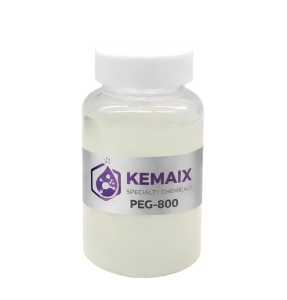
PEG 400 in Metalworking Fluids | Technical Comparison vs Mineral Oils

Introduction: Functional Additives in Modern Metalworking Fluids

The application of Polyethylene Glycol 400 in metalworking fluids has redefined the standards for modern synthetic lubricant formulations. Metalworking fluids (MWFs) are complex, multi-component systems designed to meet several competing requirements simultaneously: lubrication, cooling, corrosion protection, cleanliness, and long-term stability. As machining processes become more precise and production environments more regulated, formulators increasingly rely on functional polyethers rather than purely oil-based components.

Polyethylene Glycol 400 in Metalworking Fluids

Among these materials, Polyethylene Glycol 400 (PEG 400) has become a widely used ingredient in water-based and semi-synthetic metalworking fluids. Its role extends beyond simple lubrication; PEG 400 contributes to tribological performance, thermal control, formulation stability, and surface protection, making it a versatile additive in modern machining systems.

This article examines the practical application of PEG 400 in MWFs, focusing on its functional mechanisms, performance boundaries, and formulation logic.

What Is PEG 400 from a Formulation Perspective?

Polyethylene Glycol 400 is a low-molecular-weight, linear polyether produced via the ethoxylation of ethylene glycol. With an average molecular weight of approximately 400, it exists as a clear, viscous liquid at room temperature and is fully miscible with water.

From a formulator’s standpoint, PEG 400 is characterized by:

  • • Non-ionic chemical structure: Ensures high compatibility with various additives.
  • • High Polarity: Unlike mineral oils, it interacts strongly with metal surfaces.
  • • Hydrogen Bonding: Facilitates excellent water solubility and wetting.
  • • Thermal Stability: Maintains integrity under typical machining heat loads.

🔍 Kemaix Technical Note

The purity of PEG 400 is critical. Low-quality grades with high moisture variance or residual catalysts can destabilize sensitive semi-synthetic emulsions. Kemaix ensures high-standard production for all PEG series products.

Lubrication Mechanism: Boundary Performance

PEG 400 does not function as an extreme pressure (EP) additive in the classical sense. Instead, it contributes primarily through boundary lubrication.

During machining operations, PEG 400 molecules adsorb onto metal surfaces via polar interactions. This forms a thin, continuous lubricating film that reduces direct metal-to-metal contact and lowers friction coefficients under light to moderate loads.

Ideal Applications for PEG 400 Lubrication:

  • Precision machining and finishing.
  • Light-duty forming and stamping.
  • Aluminum and yellow metal processing where surface staining must be avoided.

Contribution to Cooling and Heat Transfer

Effective heat removal is paramount in high-speed machining. PEG 400 enhances cooling performance indirectly by improving wetting and ensuring uniform distribution. By promoting intimate contact between the fluid and the workpiece, heat is transferred more efficiently into the aqueous phase.

Technical Comparison: PEG 400 vs. Traditional Mineral Oils

Feature Mineral Oil-Based PEG 400 (Synthetic/Semi-Syn)
Lubrication Type Hydrodynamic / EP Boundary / Polar Adsorption
Cooling Efficiency Moderate Excellent
Cleanability Difficult (Strong degreasers) Easy (Water-washable)
System Stability Sensitive to water hardness High tolerance to electrolytes

Surface Protection and Emulsification

As a non-ionic polyether, Polyethylene Glycol 400 offers excellent tolerance to hard water and minimal interaction with metal ions, preventing “soaping.”

Practical Considerations and Limitations

Load Limits
Requires EP agents (Sulfur/Phosphorus) for heavy-duty operations.
Microbial Management
Requires robust biocide packages to prevent growth.

Conclusion

Polyethylene Glycol 400 is a cornerstone of modern, “clean” metalworking chemistry. Kemaix provides high-purity Polyethylene Glycol series tailored for your industrial formulations.

Optimize Your MWF Formulations with PEG 400

Need precise batch consistency for your water-based lubricants? We provide high-purity PEG 400 tailored for synthetic and semi-synthetic metalworking fluids.

Request Samples & Technical Note

Frequently Asked Questions (FAQ)

1. Why is PEG 400 preferred over mineral oils in synthetic fluids?

PEG 400 is fully water-soluble and offers superior cooling and cleanability compared to mineral oils. It provides excellent boundary lubrication without leaving oily residues, making it ideal for high-speed machining where part cleanliness is critical.

While PEG 400 is not a primary corrosion inhibitor, it acts as a synergist. It helps form a more uniform film on metal surfaces, which enhances the effectiveness of co-formulated rust inhibitors like alkanolamines.

Yes. As a non-ionic surfactant, Kemaix PEG 400 exhibits high tolerance to electrolytes and hard water ions (Calcium/Magnesium), ensuring the stability of the fluid even in challenging water environments.

PEG 400 is hygroscopic (absorbs moisture from air). It should be stored in tightly sealed containers in a cool, dry place. For technical trials, you can request a fresh sample from Kemaix to ensure optimal formulation results.

Picture of Grace Dou

Grace Dou

Specialist in EO/PO Derivatives & Surface Chemistry. With 10+ years of experience in chemical export and formulation optimization at Kemaix, Grace provides technical insights to help global clients achieve superior emulsification stability.

Need Free Samples for Testing?

Get professional technical support and free samples for your chemical formulations.

Get Samples Now
Scroll to Top