
Glycerol Ethoxylate (GPE): The Water-Soluble Surfactant for Textile Dyeing & Polyester Fiber
Built on a branched glycerin core, GPE brings multi-hydroxyl water solubility and strong polar-system compatibility to dye baths, leveling, and fiber finishing — where linear ethoxylates fall short.
Request GPE TDS & Sample
GPE builds its ethylene-oxide chains onto a three-arm glycerin backbone, giving a branched, multi-hydroxyl structure.
A Branched, Multi-Hydroxyl Nonionic Surfactant
Glycerol Ethoxylate (GPE), also called ethoxylated glycerin, is produced by reacting glycerol with ethylene oxide (ethoxylation). Unlike linear fatty alcohol ethoxylates (AEO), its three-arm glycerin core carries multiple hydroxyl groups and EO branches.
That branched geometry is what makes GPE a genuinely water-soluble surfactant with excellent compatibility in polar systems — a strong fit for aqueous dye baths and fiber-finishing formulations that need clarity, wetting and dispersing all at once.
GPE Series Grades & Specifications
Grades differ mainly by hydroxyl value, which tracks the degree of ethoxylation: a lower hydroxyl value indicates a higher EO content and greater hydrophilicity.
| Grade | Appearance (25 °C) | Hydroxyl Value (mgKOH/g) | pH (1% aq.) | Color (Pt-Co) | Moisture |
|---|---|---|---|---|---|
| GPE | Colorless to light-yellow transparent liquid | 184.0 ± 5.0 | 5.0 – 7.0 | ≤ 30 | ≤ 0.5% |
| GPE-103 | Colorless to light-yellow transparent liquid | 174.0 ± 5.0 | 5.0 – 7.0 | ≤ 30 | ≤ 0.5% |
| GPE-104 | Colorless to light-yellow transparent liquid | 141.0 ± 5.0 | 5.0 – 7.0 | ≤ 30 | ≤ 0.5% |
Typical specifications; custom ethoxylation degrees available on request. Request the grade-specific TDS/COA for your process.
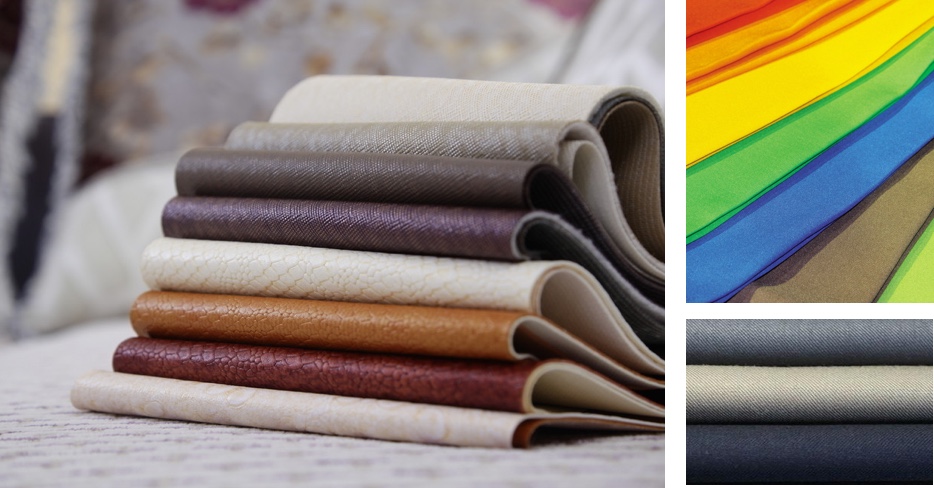
Textile Dyeing & Finishing
In the dye bath, GPE works as a leveling, dispersing and wetting aid. Its branched hydroxyl structure helps disperse dye particles evenly and promotes level dyeing, reducing patchiness and shade variation across the batch.
Because it is fully water-soluble and stable in polar media, GPE blends cleanly into aqueous finishing systems without clouding or salting out. Note the distinction from pre-treatment: for scouring and impurity removal before dyeing, see our AEO textile scouring guide — GPE is aimed at the dyeing and finishing stage.
Polyester Fiber Processing
Polyester (PET) processing runs hot — high-temperature disperse dyeing and spin-finish steps demand surfactants that stay compatible and stable under thermal stress. GPE's polar, water-soluble character supports dispersing and emulsifying roles in fiber oiling and finishing agents.
Used in spin-finish and antistatic formulations, GPE helps distribute lubricants evenly across the filament, contributing to smoother processing and consistent fiber quality.
Selecting a GPE Grade by Hydroxyl Value
The baseline grade — the lowest degree of ethoxylation in the series and the most balanced polar character. A general-purpose choice for industrial emulsification and dispersing where full high-EO hydrophilicity is not required.
A step up in EO content and hydrophilicity. Well suited to textile dyeing and finishing baths that need reliable dispersing with clean water solubility.
The highest ethoxylation and most hydrophilic grade. Preferred where maximum water solubility and polar-system compatibility matter most — including demanding polyester dyeing and finishing systems.
Formulation Notes
⚠ Match hydroxyl value to hydrophilicity
Lower hydroxyl value = higher EO = more hydrophilic. Confirm the grade's hydroxyl value on the COA before locking a dyeing recipe.
⚠ High-temperature dyeing stability
PET disperse dyeing runs near 130 °C. Validate GPE dispersing performance at your actual bath temperature, not just at room temperature.
⚠ Don't confuse dyeing with scouring
GPE targets dyeing/finishing. For pre-treatment scouring and degreasing, a wetting-led AEO or JFC penetrant is the correct tool.
⚠ Batch consistency
A shift in hydroxyl value between lots changes dispersing behaviour. Insist on traceable hydroxyl value and moisture on every shipment.
Frequently Asked Questions
What is glycerol ethoxylate (GPE)?
GPE, or ethoxylated glycerin, is a nonionic surfactant made by reacting glycerol with ethylene oxide. Its branched, multi-hydroxyl glycerin core makes it highly water-soluble and compatible in polar systems.
How does GPE differ from PEG or AEO?
PEG is a linear polyethylene glycol and AEO is a linear fatty alcohol ethoxylate. GPE is built on a three-arm glycerin backbone, giving a branched, multi-hydroxyl structure with different dispersing and compatibility behaviour in aqueous systems.
Is GPE suitable for high-temperature polyester dyeing?
Yes. GPE's water-soluble, polar character supports dispersing and leveling in polyester dyeing and finishing. As with any nonionic surfactant, validate performance at your actual dyeing temperature (PET disperse dyeing typically runs near 130 °C).
What does the hydroxyl value tell me about a GPE grade?
The hydroxyl value tracks the degree of ethoxylation. A lower hydroxyl value (e.g. GPE-104 at 141) indicates higher EO content and greater hydrophilicity; a higher value (GPE at 184) indicates lower EO and a more balanced polar character.
Is GPE water-soluble and APEO-free?
Yes. GPE is a fully water-soluble nonionic surfactant and is APEO-free, making it suitable for eco-conscious textile and fiber formulations.
Need a GPE Grade Matched to Your Dye Bath?
Share your process — dyeing temperature, fiber type and target function — and our technical team will recommend the right GPE grade, with TDS/COA and free samples for your trials.
Request Samples & TDS
10+ years in surfactant formulation optimization and chemical export at Kemaix, supporting global textile and fiber clients with stable, field-ready surfactant systems.
Related Kemaix Resources
 Kemaix Specialty Chemicals · Nonionic Surfactants & EO/PO Derivatives · sales@kemaix.com