
One Chemistry, Liquid Through Solid
PEG, also called macrogol, is a water-soluble polyether available across a wide molecular-weight range. Below about MW 600 it is a clear liquid; as molecular weight rises it becomes a paste and then a solid with a progressively higher melting point.
That liquid-to-solid span is exactly why PEG is so useful: by blending grades you tune melting point and consistency without changing the chemistry, water solubility or wash-off behaviour. It is the basis of PEG ointment and suppository bases.
- CAS Number25322-68-3
- Chemical CompositionEthylene oxide condensate
- Molecular Formula(C2H4O)nH2O
- Ionic TypeNonionic polyether
- Standard GradesPEG-200 to PEG-8000
- SolubilityWater-soluble across the range
PEG Series Technical Specifications
| Grade | Appearance (25°C) | Color (Pt-Co) | Hydroxyl Value (mgKOH/g) | Molecular Weight | Melting Point (°C) | Moisture (%) | pH (1% aq.) |
|---|---|---|---|---|---|---|---|
| PEG-200 | Colorless transparent liquid | ≤ 20 | 510–623 | 180–220 | — | ≤ 1.0 | 5.0–7.0 |
| PEG-300 | Colorless transparent liquid | ≤ 20 | 340–416 | 270–330 | — | ≤ 1.0 | 5.0–7.0 |
| PEG-400 | Colorless transparent liquid | ≤ 20 | 255–312 | 360–440 | 4–10 | ≤ 1.0 | 5.0–7.0 |
| PEG-600 | Colorless transparent liquid | ≤ 20 | 170–208 | 540–660 | 20–25 | ≤ 1.0 | 5.0–7.0 |
| PEG-800 | Milky white paste | ≤ 30 | 127–156 | 720–880 | 26–32 | ≤ 1.0 | 5.0–7.0 |
| PEG-1000 | Milky white paste | ≤ 40 | 102–125 | 900–1100 | 38–41 | ≤ 1.0 | 5.0–7.0 |
| PEG-1500 | Milky white solid | ≤ 40 | 68–83 | 1350–1650 | 43–46 | ≤ 1.0 | 5.0–7.0 |
| PEG-2000 | Milky white solid | ≤ 50 | 51–63 | 1800–2200 | 48–50 | ≤ 1.0 | 5.0–7.0 |
| PEG-3000 | Solid | ||||||
| PEG-4000 | Solid | ||||||
| PEG-6000 | Solid | ||||||
| PEG-8000 | Solid |
PEG-3000 to PEG-8000 are supplied as standard grades; grade-specific parameters are issued with the TDS and COA on request.
Where PEG Grades Are Used
PEG-200 / 400
Solvents, co-solvents and emulsifiers in pharmaceuticals, cosmetics and industrial formulations. PEG-400 is also a common solubilizer for poorly water-soluble actives.
PEG-600 / 800
Lubricants, wetting agents and textile auxiliaries, where a semi-liquid consistency and water solubility are both required.
PEG-1000 to 2000
Thickening agents, binders and dispersing agents in coatings, cosmetics and industrial systems.
PEG-3000 and above
Solid grades used in ointment and suppository bases, tablet binders, film coating and mould release — blended with a liquid grade to set the final consistency.
Selection & Handling Notes
⚠ Blend grades to hit a target consistency
A PEG ointment base is a liquid grade plus a solid grade. The ratio sets softness — validate at your storage temperature extremes, not just at room temperature.
⚠ Control peroxides for sensitive actives
PEG can accumulate peroxides and aldehydes on ageing. Specify low-impurity material and consider antioxidant protection for reactive formulations.
⚠ Check active compatibility
PEG can reduce the activity of certain antibiotics and phenolic preservatives. Verify compatibility before finalising a medicinal base.
⚠ Regulated use needs the right grade
For pharmaceutical use, confirm the applicable pharmacopeial requirement for your market and request the corresponding documentation.
Packaging, Storage & Shipping
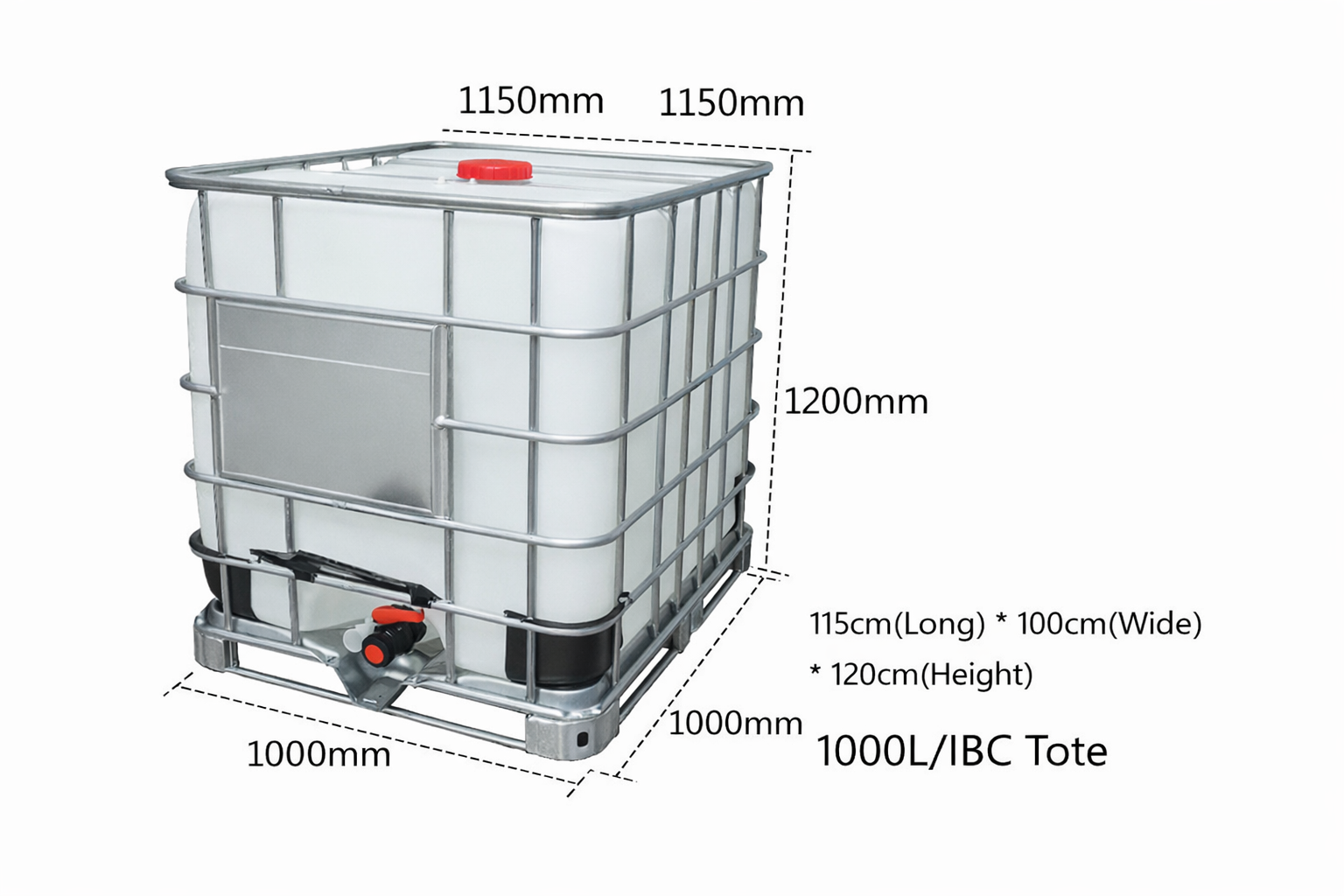
Packaging: Liquid grades in 200 kg drums or 1000 kg IBC. Solid grades in 25 kg bags or drums with inner liner.
Storage: Cool, dry and well-ventilated conditions with containers kept closed. Shelf life 2 years from date of manufacture.
Shipping: FOB, CIF and CFR as FCL or LCL via Shanghai Port, with TDS, MSDS and COA supplied for customs clearance and REACH filing.
Frequently Asked Questions
What is polyethylene glycol (PEG)?
PEG, also called macrogol, is a water-soluble polyether available from low-MW liquids (PEG-200 to 600) through pastes to high-MW solids, used as a solvent, base, binder and dispersing agent.
What is the difference between liquid and solid PEG grades?
Molecular weight sets the physical form. Grades below about 600 are liquids, PEG-800 and 1000 are pastes, and higher grades are solids with progressively higher melting points.
Which PEG grades make an ointment base?
A blend of a liquid grade such as PEG-400 with a solid grade such as PEG-4000 or PEG-6000. The ratio determines the softness of the finished base.
What is the difference between PEG and PPG?
PEG is built from ethylene oxide and is water-soluble across the range. PPG is built from propylene oxide, is more hydrophobic at higher molecular weight, and offers superior lubricity and defoaming in oil-based systems.
Is PEG water-soluble and washable?
Yes. PEG bases are fully water-soluble and wash off cleanly, unlike petrolatum or oil-based systems.
Can you supply PEG above 8000?
Special specifications beyond the standard range can be custom-developed. Send us your target molecular weight and application.
Need a Specific PEG Molecular Weight?
Tell us the consistency, melting point and function you need — we will recommend the grade or blend ratio, supply TDS and COA, and send 200–500 g samples.